The Jan Michalski Prize for Literature is awarded annually for an outstanding work of world literature.
The Jan Michalski Prize for Literature has been awarded annually since 2010 by the Foundation to crown a work of world literature. An original feature of the Prize is its multicultural nature: it rewards works of all literary genres, fiction or non-fiction, irrespective of the language in which it is written.
The rotating jury, which is renewed every three years, is made up of writers recognized for their linguistic skills and their openness to literary diversity. An artist with an interest in literature is also given a seat.
Only members of the jury are entitled to submit works for the Jan Michalski Prize, two per year, chosen from their recent international readings. Neither authors nor publishers may submit titles for selection.
The laureate is honored with a prize of CHF 50,000, which allows him/her to devote more time to his/her writing. He or she also receives a work of art specially chosen for him or her.
Edition 2026
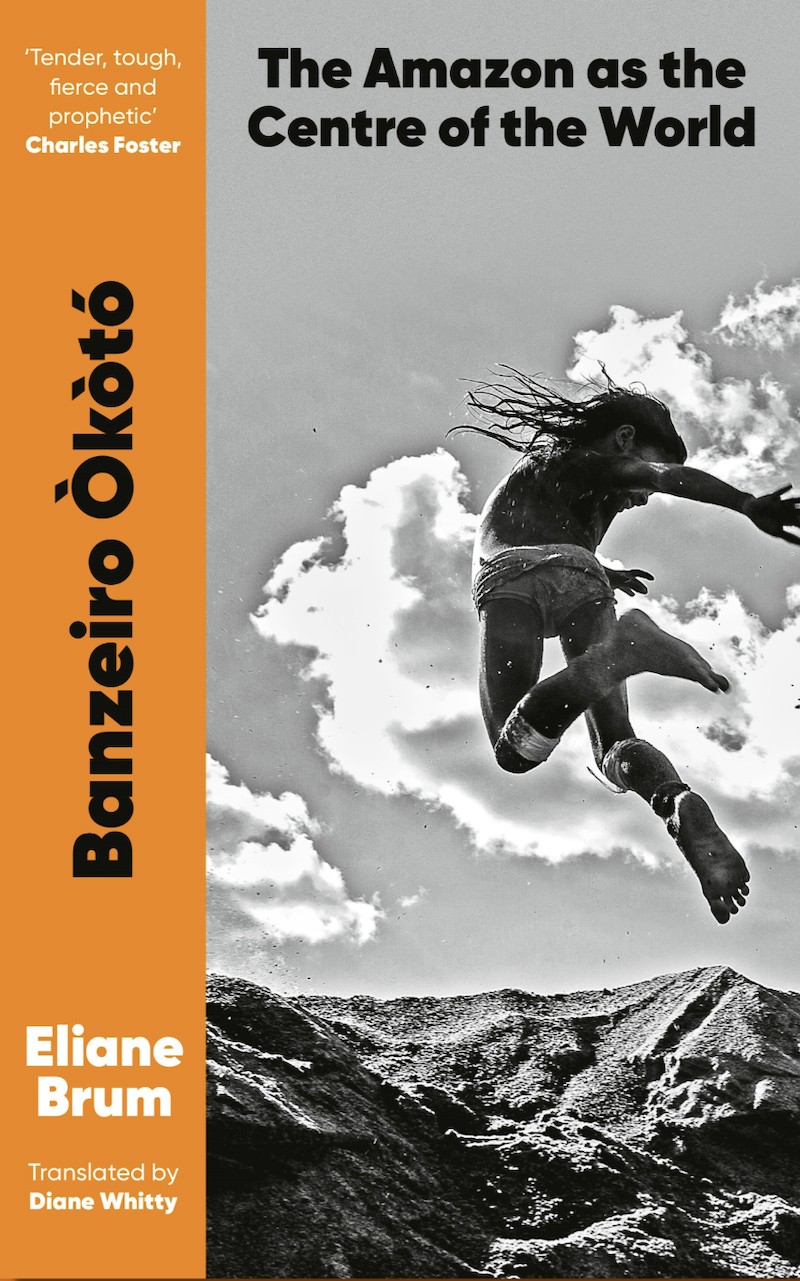
Banzeiro Òkòtó: The Amazon as the Centre of the World
Indigo Press, 2023
Proposed by Patrícia Melo
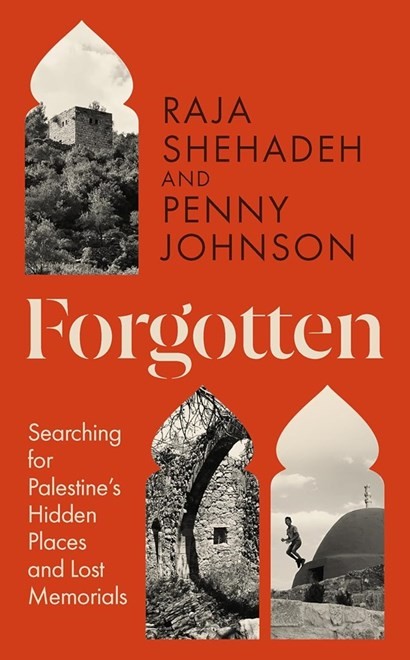
Forgotten: Searching for Palestine’s Hidden Places and Lost Memorials
Proposed par Nicolas Grospierre
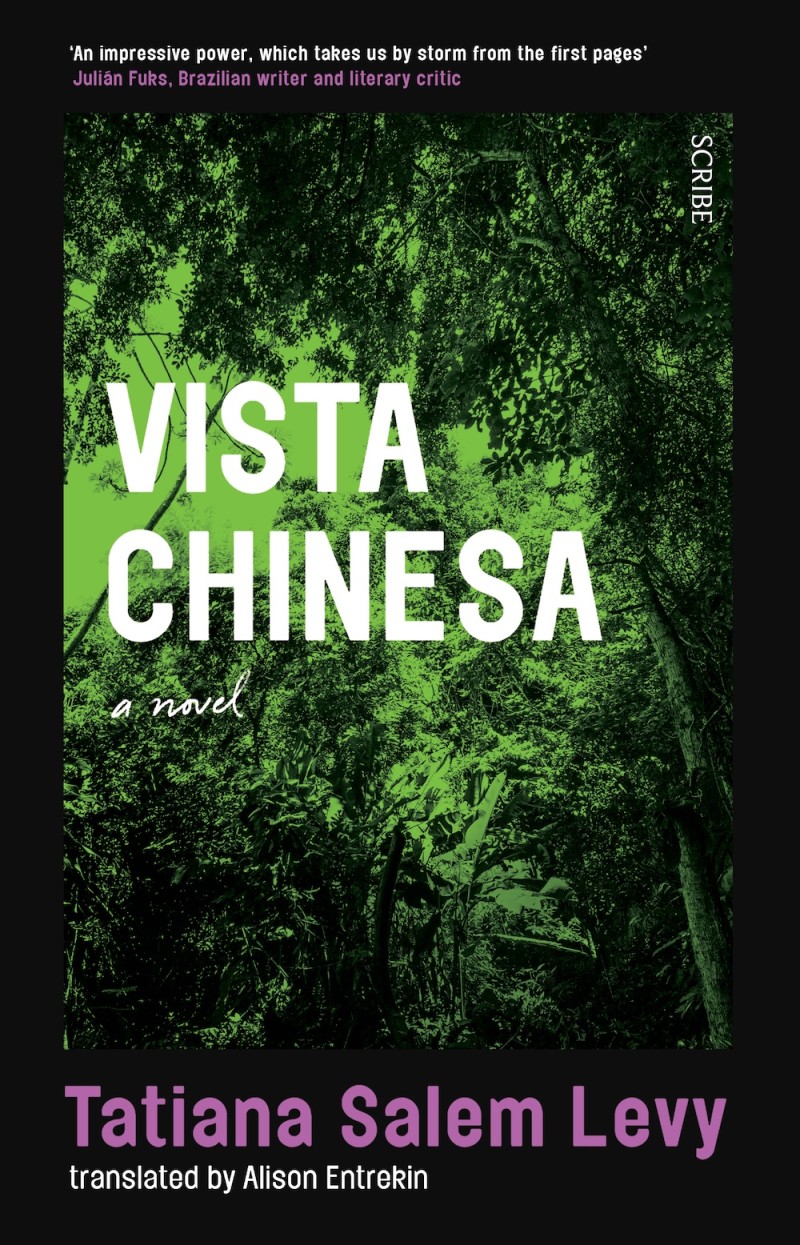
Vista Chinesa
Scribe, 2023
Proposed by Patrícia Melo
Banzeiro Òkòtó: The Amazon as the Centre of the World
Indigo Press, 2023
Proposed by Patrícia Melo
Forgotten: Searching for Palestine’s Hidden Places and Lost Memorials
Proposed par Nicolas Grospierre
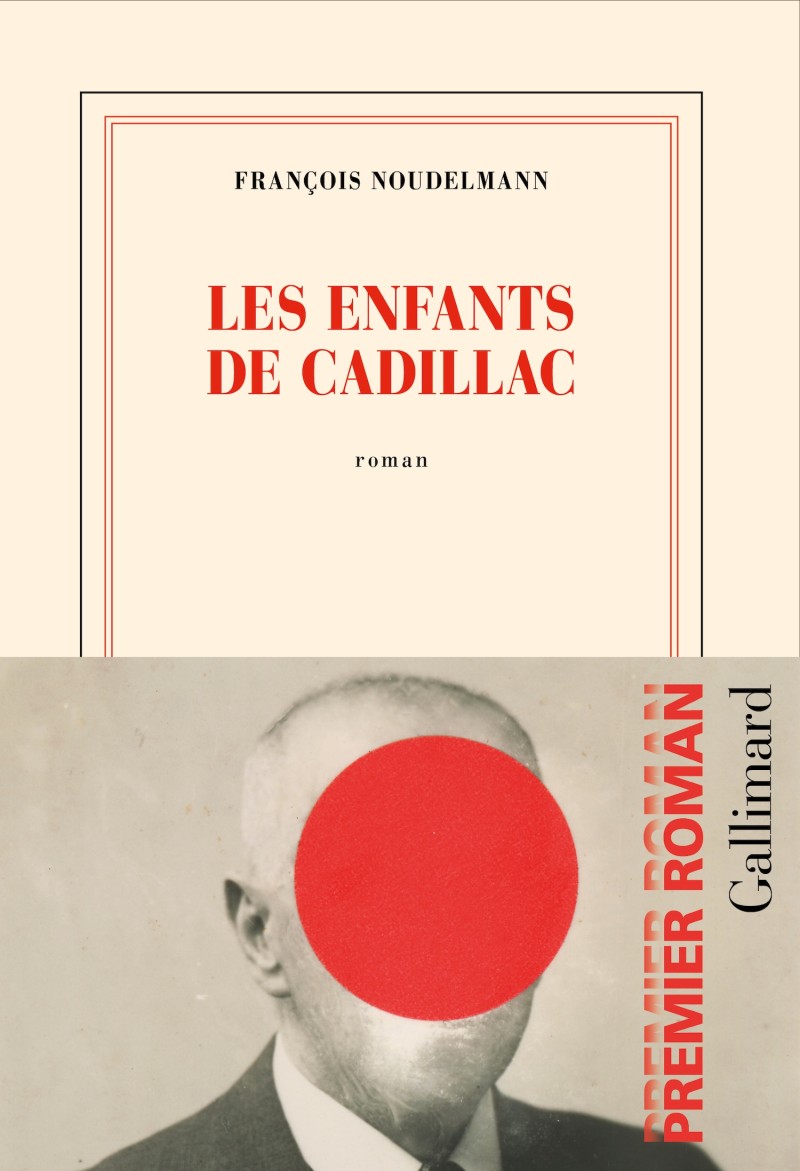
Les enfants de Cadillac
Proposed by Scholastique Mukasonga
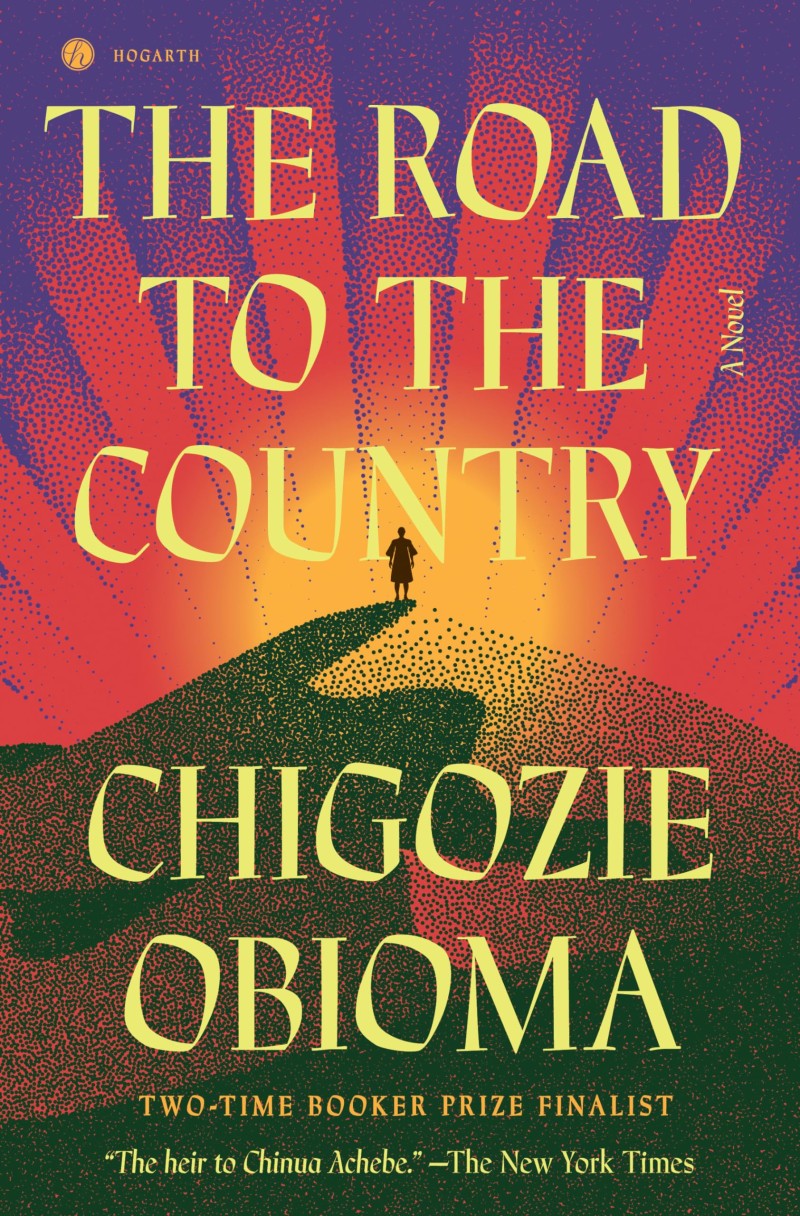
The Road to the Country
Proposed by Scholastique Mukasonga
Vista Chinesa
Scribe, 2023
Proposed by Patrícia Melo
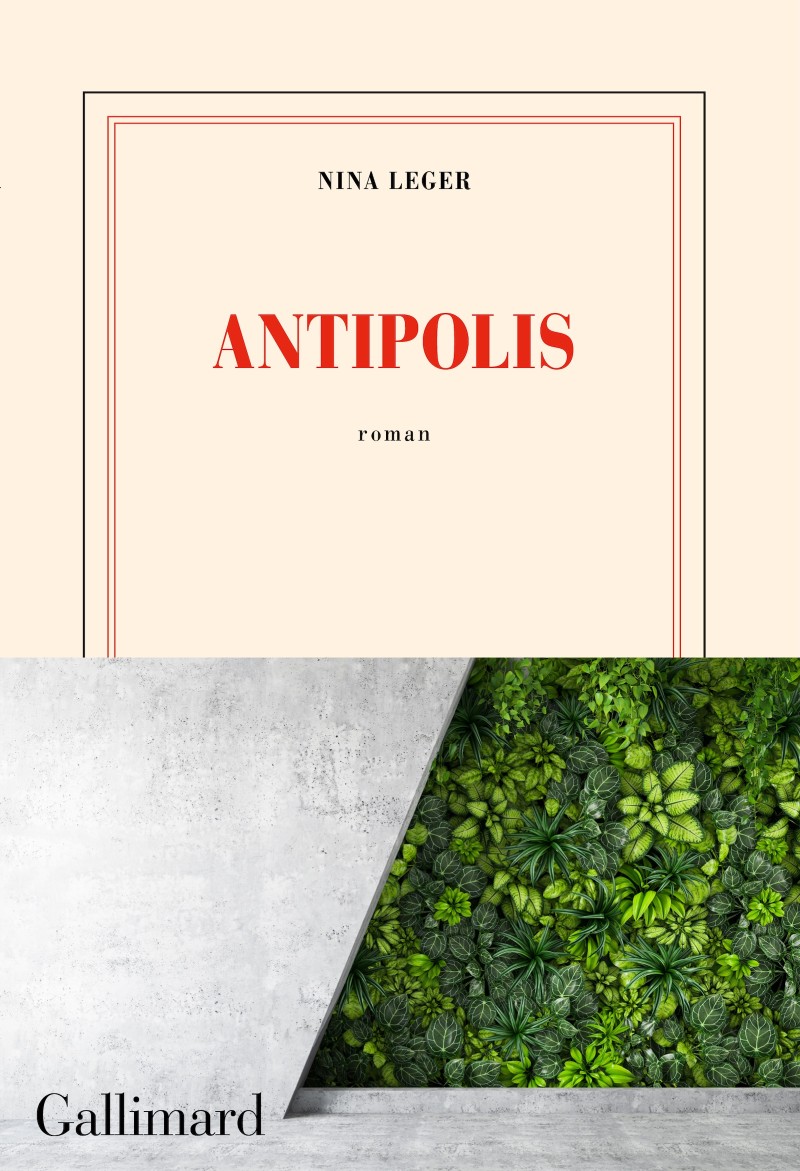
Antipolis
Proposed by Karim Kattan
Banzeiro Òkòtó: The Amazon as the Centre of the World
Indigo Press, 2023
Proposed by Patrícia Melo
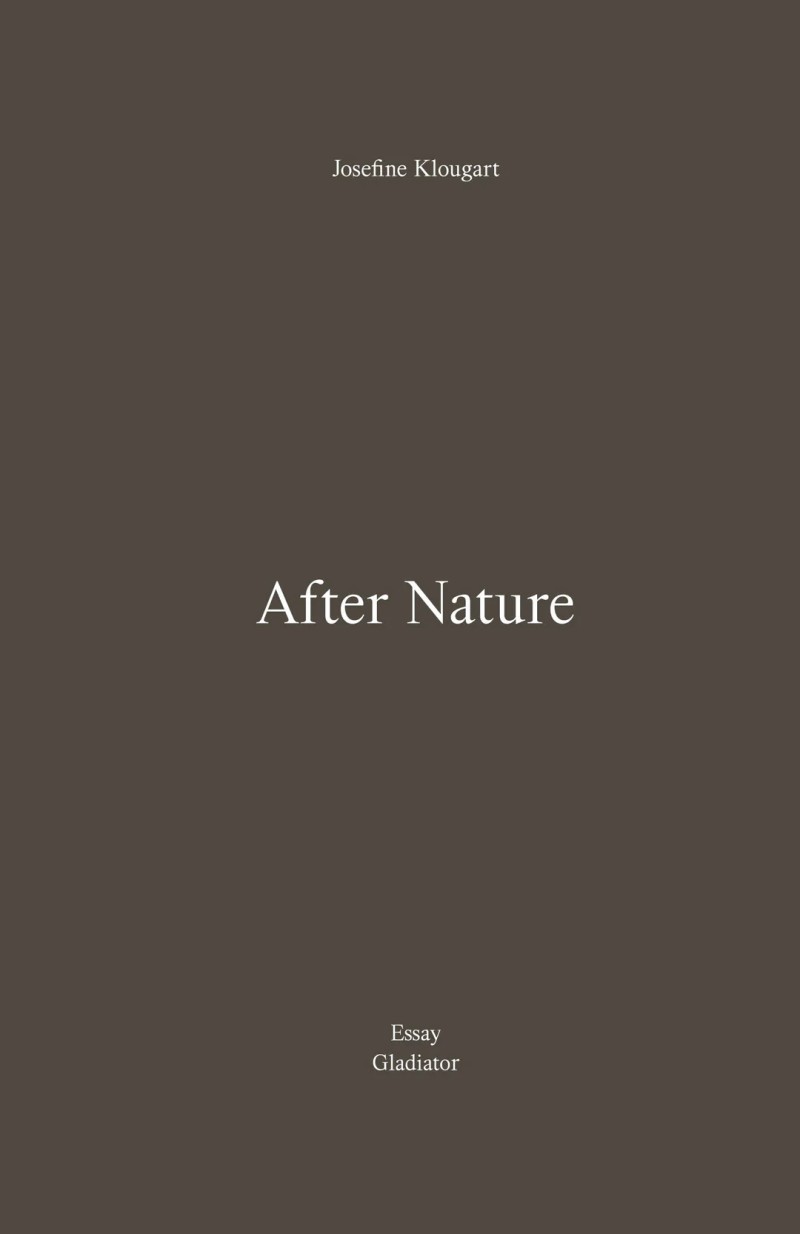
After Nature
Forlaget Gladiator, 2024
Proposed by Jens Christian Grøndahl
Forgotten: Searching for Palestine’s Hidden Places and Lost Memorials
Proposed par Nicolas Grospierre

Jesus Christ Kinski
Proposed by par Karim Kattan
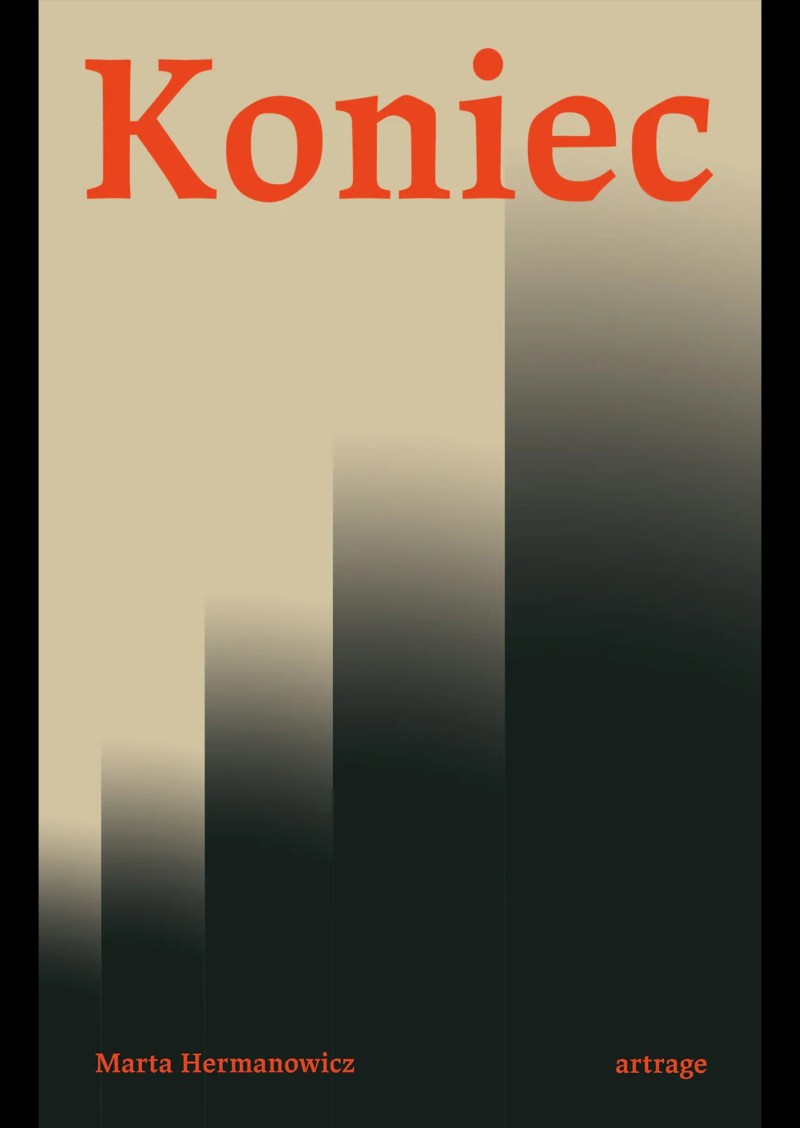
Koniec
Proposed by Nicolas Grospierre
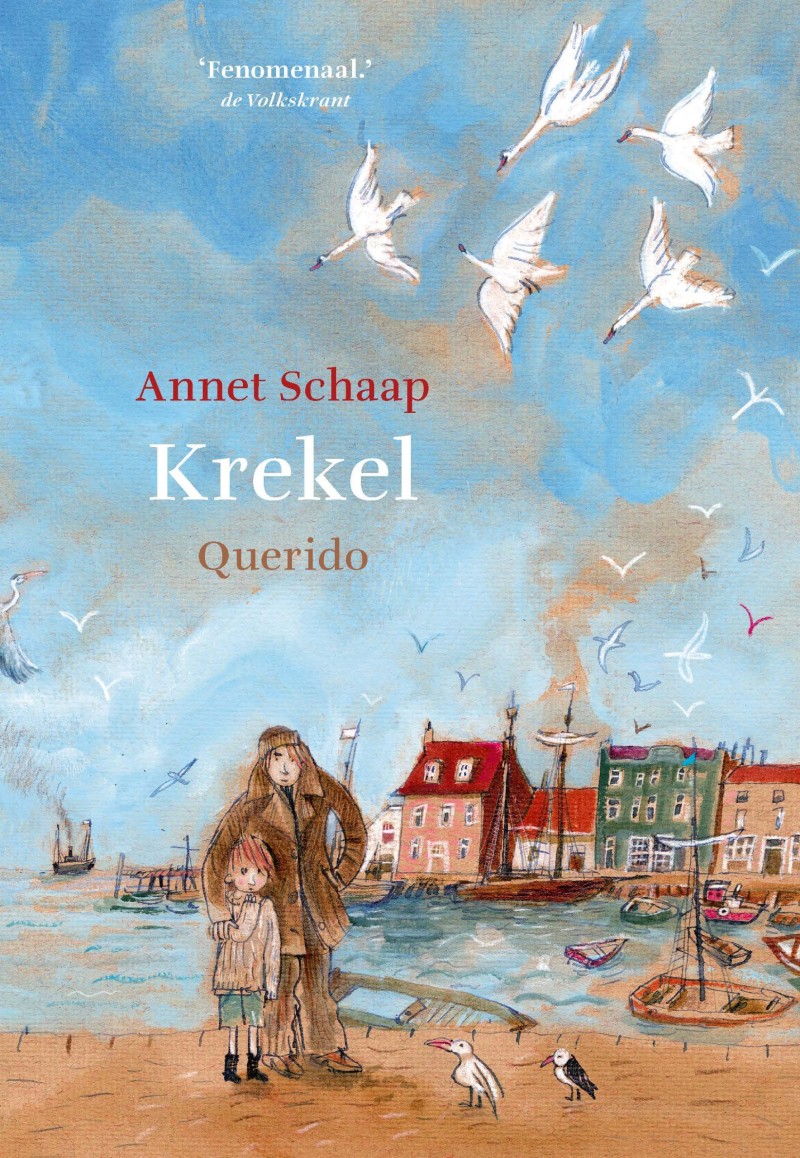
Krekel
Proposed by Vera Michalski-Hoffmann
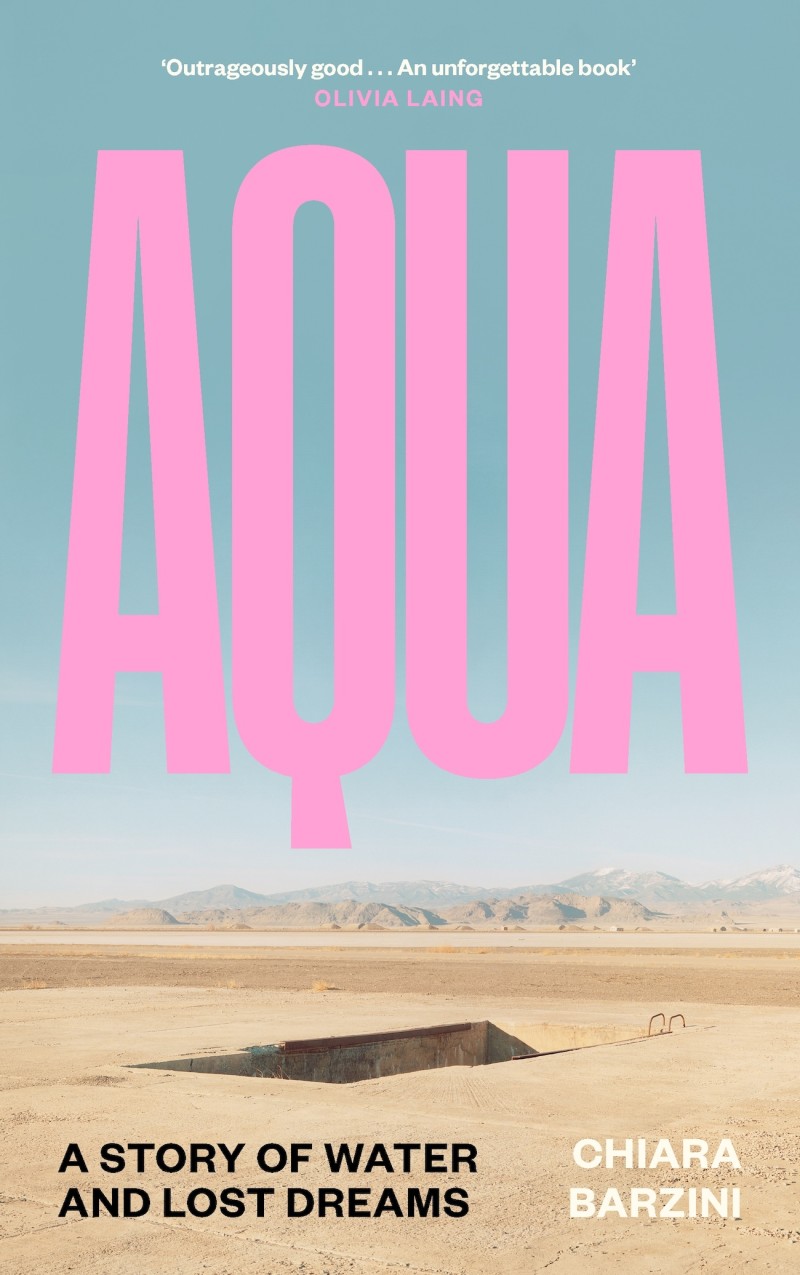
Aqua, a story of water and lost dreams
Proposed by Vera Michalski-Hoffmann
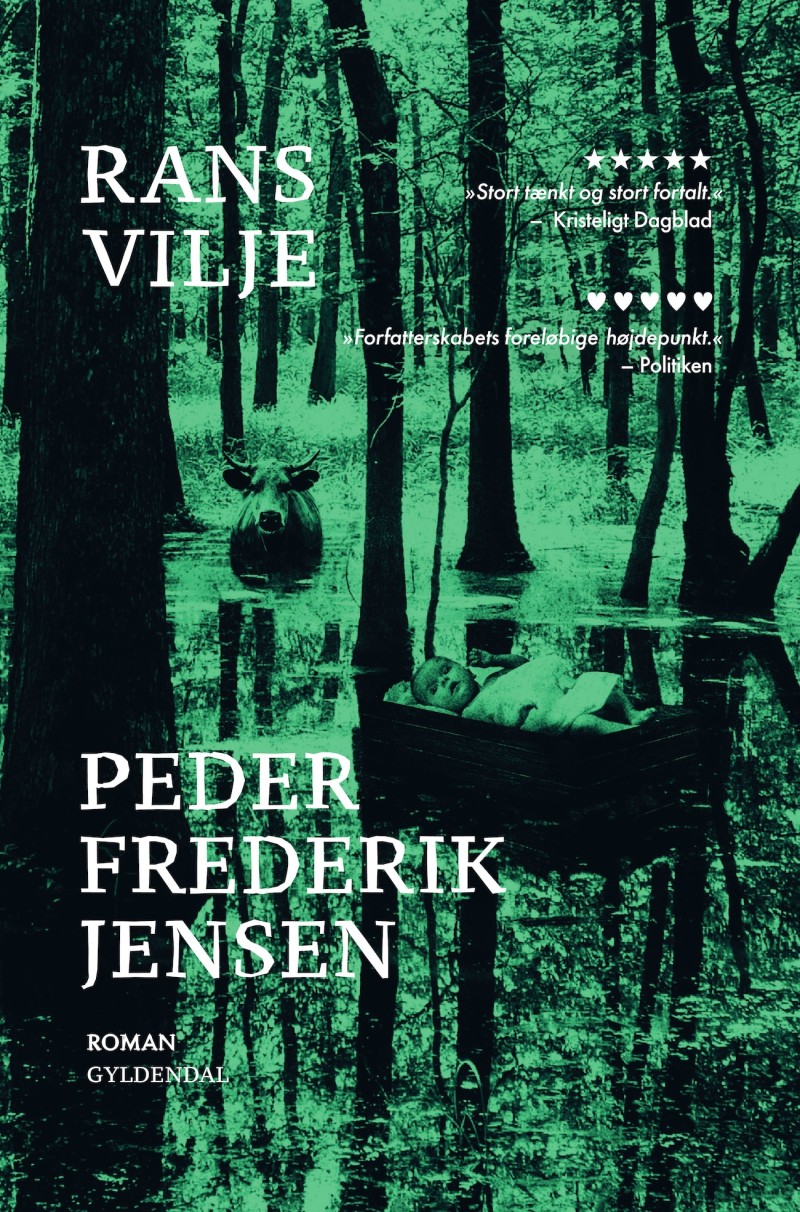
Rans Vilje
Proposed by Jens Christian Grøndahl
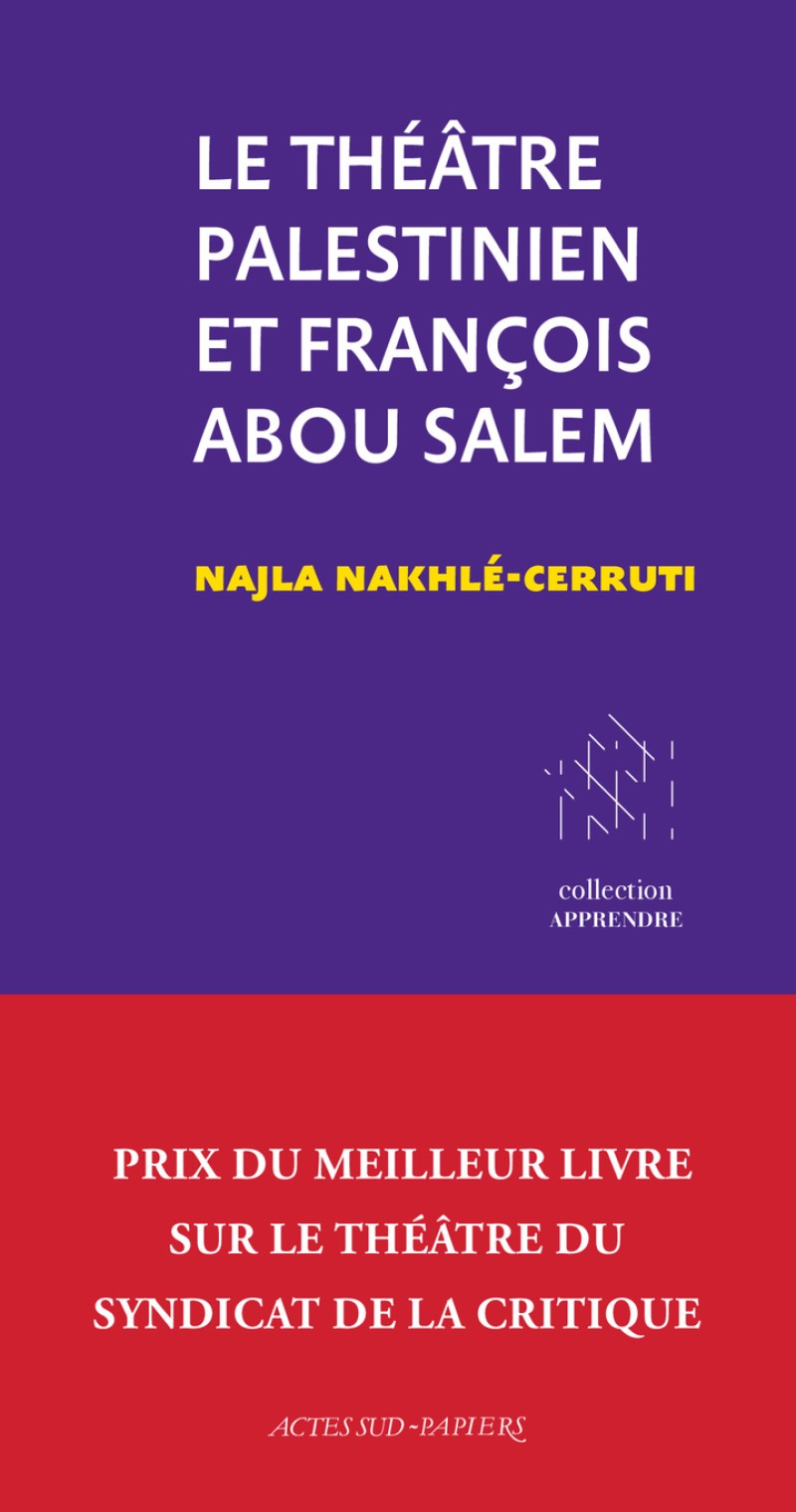
Le théâtre palestinien et François Abou Salem
Proposed by Karim Kattan
Les enfants de Cadillac
Proposed by Scholastique Mukasonga
The Road to the Country
Proposed by Scholastique Mukasonga
Vista Chinesa
Scribe, 2023
Proposed by Patrícia Melo
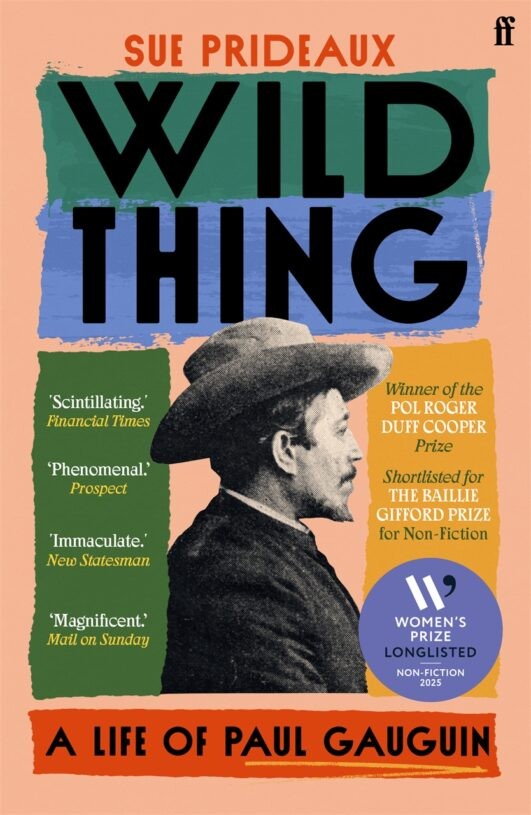
Wild Thing: A Life of Paul Gauguin
Proposed by Ian Rankin
Jury
Vera Michalski-Hoffmann, President of the jury
The publisher Vera Michalski-Hoffmann, born in 1954, who has always been committed to promoting literature and the written word, founded the publishing group Libella with Jan Michalski. Since 1987 numerous authors have been brought out in French, Polish and English at various publishing houses, including Noir sur Blanc, Buchet-Chastel, Phébus, and Wydawnictwo Literackie. In 2004 Vera Michalski created the Jan Michalski Foundation for Writing and Literature, whose mission is to foster literary creation and encourage the practice of reading through a range of initiatives and activities.
Jens Christian Grøndahl
The Danish writer Jens Christian Grøndahl was born in 1959 in Copenhagen, where he still resides. After studying philosophy, he trained in film directing at the National Film School of Denmark before turning to writing, publishing his first novel, Kvinden i midten (Vindrose), in 1985. He is now the author of a prolific body of work—comprising novels, essays, and children’s books—translated into around thirty languages. The recipient of numerous international literary awards, including the Jean Monnet Prize for European Literature in 2007 for Piazza Bucarest (Gallimard, 2007, originally published in Danish under the same title in 2004 by Lindhardt og Ringhof), he was named Chevalier des Arts et des Lettres in 2009. Among his works available in English translation are Silence in October (HarperCollins, 2000), Lucca (Houghton Mifflin Harcourt, 2003), An Altered Light (Houghton Mifflin Harcourt, 2006), and Often I Am Happy (Twelve, 2017). In 2025, he brought out Fra i nat sover jeg på taget (Gyldendal). In this novel, he revisits his favored themes—love, its shadows and silences—through the story of an aging and ailing man whose path crosses once again with a youthful love.
Nicolas Grospierre
Born in 1975 in Geneva, Nicolas Grospierre is a Franco-Polish visual artist and photographer. He wholly embraced his artistic calling following studies at Paris’s Institut d’études politiques and the London School of Economics. Now based in Poland, he sees modern architecture as central to his practice, putting it in dialogue with the themes of collective memory and the Anthropocene. In fusing different mediums he creates photo installations that offer viewers halls of mirrors and plays of light. He was awarded a Golden Lion at the 2008 Venice Biennale of Architecture. His work has been exhibited in museums throughout Europe and the Americas. In 2026, his photographic series Heliograms is exhibited at the Łazienki Palace Museum in Warsaw.
Karim Kattan
Born in 1989 in Jerusalem, Karim Kattan is a Palestinian and French writer. He holds a PhD in comparative literature and is the author of fiction, essays, and poetry collections translated into several languages. His work has appeared in Le Monde, Mediapart, Libération, The Paris Review, and The Dial, among others. Among his novels, Le palais des deux collines (Elyzad, 2021 ; in English, The Palace on the Higher Hill, Fondery Editions, 2025) won the Prix des Cinq Continents de la Francophonie, and L’Éden à l’aube (Elyzad, 2024) received several distinctions, including the Grand Prix du Roman Métis. In 2025, his collection Hortus Conclusus was published by L’Extrême Contemporain, exploring themes of displacement, belonging, and identity, as well as individual and collective memory—motifs that run throughout his work.
Patrícia Melo
Patrícia Melo was born in 1962 in Brazil and is a highly regarded novelist, playwright, and screenwriter. She has received numerous internationally recognized awards, including the Prêmio Jabuti (2001), the LiBeraturpreis (2013), the Deutscher Krimi Preis (1998 and 2014), and the Indies Book of the Year Award (2023). Comprising around a dozen noir novels and translated into several languages, her body of work offers a raw and unflinching portrayal of a fragmented contemporary Brazil, scarred by violence and poverty. Published in English by Bloomsbury Publishing are The Killer (1997), In Praise of Lies (1999), Inferno (2002), Black Waltz (2004), and Lost World (2009); followed by The Body Snatcher (Bitter Lemon Press, 2015) and The Simple Art of Killing a Woman (Restless Books, 2023), winner of the Grand Prix de l’héroïne Madame Figaro for the French translation.
Scholastique Mukasonga
An author, novelist and short-story writer, Scholastique Mukasonga was born in 1956 in Rwanda. Faced with the persecution of the Tutsi people, she was forced into exile in Burundi before settling in France in 1993. She wrote her first novel, Inyenzi ou les cafards (Gallimard, 2004), in English titled simply Cockroaches (Archipelago, 2016), in the aftermath of the tragedy of the 1994 Tutsi genocide during which thirty-seven members of her family were killed. Today her work boasts novels and short-story collections translated in over twenty languages. She has been awarded numerous prizes in France and internationally, including the 2012 Prix Renaudot for Notre-Dame du Nil (Gallimard, 2012), translated as Our Lady of the Nile (Archipelago, 2014), and the Prix de l’Académie des Sciences d’Outre-Mer for Julienne (2024). Two of her books, The Barefoot Woman (Archipelago, 2008) and Kibogo (Blackstone Publishing, 2020) were shortlisted for the National Book Award. In 2013, she was named Chevalier des Arts et des Lettres. Her latest novel, Déjà jadis, déjà demain, will be published in spring 2026 by Gallimard.
Ian Rankin
Born in Cardenden, Fife, in 1960, Sir Ian Rankin is a Scottish novelist who lived in London and later in France before settling in Edinburgh, where he now resides. His native country, along with his passion for punk and rock music, infuses his crime fiction. An international bestseller, his series of novels featuring John Rebus—a cynical and melancholic Scottish inspector with a taste for whisky—includes twenty-five volumes translated into more than thirty languages. Several have been adapted for television. He notably won the Edgar Allan Poe Award for Best Novel in 2004 for Resurrection Men (Mulholland Books, 2002), the Grand Prix de littérature policière in 2005 for Dead Souls (Mulholland Books, 1999; published in French as La mort dans l’âme, Le Rocher, 2004), as well as the prestigious Cartier Diamond Dagger in 2005 for his lifetime achievement. In 2024, Midnight and Blue was published by Mulholland Books, plunging Inspector Rebus into prison in a high-stakes locked-room drama.
Previous editions
2025
Still Born
2024
Ducks: Two Years in the Oil Sands
2023
El Tercer País
2022
Les fossoyeuses
2021
Знак не сотрется. Судьбы остарбайтеров в письмах, воспоминаниях и устных рассказах
2020
Sands of the Emperor
2019
Pain
2018
Ksiegi Jakubowe
2017
Une histoire mondiale du communisme
2016
The Physics of Sorrow
2015
Birth Certificate: The Story of Danilo Kiš
2014
Vorochylovhrad
2013
The Colonel
2012
The Opium War: Drugs, Dreams and the Making of China
2011
The White King
2010
The Lazarus Project
Rules
In accordance with article two of the statutes of the Jan Michalski Foundation for Literature and the Written Word (hereafter the Jan Michalski Foundation), the Foundation Board decided to create a literary prize called the Jan Michalski Prize for Literature (hereafter the Jan Michalski Prize).
The Jan Michalski Prize was officially established on 27 October 2009.
Article 1 — The Jan Michalski Prize
The Jan Michalski Prize will be awarded to a work of world literature in the categories of fiction, nonfiction, or illustrated books.
Article 1.1 — Criteria for awarding the Jan Michalski Prize
The Jan Michalski Prize is awarded to one book annually. The prize is not limited to any one language in particular.
Article 1.2 — Frequency of the prize
The Jan Michalski Prize is awarded once a year.
Article 1.3 — What winners of the Jan Michalski Prize receive
The winner of the prize receives CHF 50,000 (fifty thousand Swiss francs), a diploma, and a work of art especially selected for the Jan Michalski Prize.
Collective works are also eligible for consideration by the Prize Committee; if a book by several authors wins, the Jan Michalski Prize is awarded to all of them and the sum of CHF 50,000 is divided among the various winners.
Article 1.4 — When the prize is awarded
The Jan Michalski Prize is normally awarded each year in November during a ceremony in Montricher.
Article 2 — The Prize Committee
Article 2.1 — Committee members
The Jan Michalski Prize is awarded by the Jan Michalski Foundation for Literature and the Written Word. The prize winner is selected by an international committee of writers. One seat on the committee is reserved for an artist who has also shown a sincere interest in literature. Vera Michalski, who chairs the Foundation Board, is the lifetime Chairwoman of the Prize Committee.
Article 2.2 — Selection of the committee members
The Chairwoman of the Prize Committee appoints the other members of the committee. Membership on the committee is strictly honorary, that is, no payment attaches to the post. Members serve for three years. The Foundation Board, however, does reserve the right to reduce the term of individual committee members. At the end of the members’ term, the Foundation Board is free to either reappoint the same members or appoint new ones.
The Prize Committee is made up of well-known figures from a range of nationalities and cultural backgrounds who are at ease in two or more languages and widely recognized in any of the forms of literary and artistic expression.
Members sit on the Prize Committee in their own name and represent no interest group or commercial entity.
The Chairwoman of the Jan Michalski Foundation Board will write to each person appointed to the Prize Committee to confirm their appointment. Before serving, committee members will of course acquaint themselves with the present Rules.
Article 3 — Proposing candidates
Article 3.1 — Terms and conditions for participation
Members of the Prize Committee alone are authorized to propose books for consideration, with a maximum of two proposals per member. The members may only submit books published and printed by publishing houses are admissible. Manuscripts and self-published works are not accepted. The submitted books must have been published within five years prior to attribution of the Jan Michalski Prize. Reeditions are not accepted unless the book in question has been significantly revised by the original author.
Article 3.2 — Closing date
The members of the Prize Committee must submit their choice of two books for the Prize by mid-March each year. The shortlist of books competing for the Jan Michalski Prize is published on the foundation’s website.
Article 4 — Prize committee delibérations
The Members of the Prize Committee deliberate in complete freedom and independence, and, apart from the present rules, receive instructions from no one. Their deliberations are secret and the minutes of their meetings are not published.
Decisions are taken by simple majority but at least three-quarters of the committee members must participate in the vote for the deliberations to be valid.
The Prize Committee meets once initially to draw up a shortlist. At the end of that meeting, the committee decides on a limited number of books for final consideration. If need be, excerpts from proposed books are translated into a language that is accessible to all of the committee’s members.
The winner of the prize is announced during the committee’s concluding session. The committee’s decision is final and not subject to appeal.
Article 5 — Final provisions
Article 5.1 — Amendments to the rules
The rules can be revised at any time by the Foundation Board, except for the provision concerning the lifetime membership of the Chairwoman of the Prize Committee.
Article 5.2 — Announcing the prize winner
The results of the committee’s deliberations will be made public through the usual media. Only authors whose works have been shortlisted will be notified.